
Breaking free from gambling addiction A path to recovery
Understanding Gambling Addiction
Gambling addiction, often termed compulsive gambling, is a behavioral disorder characterized by the overwhelming urge to gamble despite the negative consequences. It can lead to severe financial, emotional, and social repercussions for individuals and their families. Recognizing the signs of gambling addiction, such as preoccupation with gambling, increasing amounts of money wagered, and neglecting personal responsibilities, is crucial for those seeking help. To navigate the complexities of recovery, you can visit https://www.asc2024.org/ for valuable insights and support.
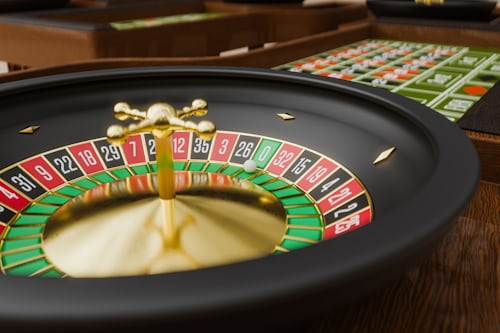
The complexity of gambling addiction lies in its psychological grip. Many individuals gamble as a form of escapism or thrill-seeking. The adrenaline rush that comes with betting can create a cycle of dependency, making it challenging to break free. Understanding this cycle is essential for effective recovery, as it involves addressing the underlying emotional issues that may fuel the addiction.
Steps Toward Recovery
Recovery from gambling addiction is not an overnight process; it requires a well-structured plan and commitment. The first step is often admitting that there is a problem. This acknowledgment can be daunting, but it is vital for initiating change. Engaging in self-reflection and understanding the impact of gambling on one’s life can provide the motivation needed to seek help.
Following admission, individuals should consider professional support. This may include therapy, counseling, or support groups specifically designed for gambling addiction. Professional guidance can equip individuals with the tools needed to cope with triggers and develop healthier habits. Additionally, establishing a support network of family and friends can play a critical role in sustaining motivation throughout the recovery journey.
Developing Healthy Coping Mechanisms
Part of breaking free from gambling addiction involves finding alternative coping mechanisms. Many individuals turn to gambling as a way to deal with stress or emotional pain. Identifying healthier outlets, such as exercise, hobbies, or mindfulness practices, can significantly aid in recovery. These activities not only divert attention from gambling but also contribute to overall well-being.
Incorporating routine activities that promote mental health is essential. Mindfulness techniques, such as meditation or journaling, can help individuals gain control over their thoughts and emotions. By fostering resilience and self-awareness, individuals are better equipped to handle life’s challenges without resorting to gambling as a coping strategy.
The Role of Support Systems
Support systems are pivotal in the journey toward recovery from gambling addiction. Family and friends can provide a source of encouragement and accountability. Open discussions about the addiction can foster understanding and empathy, helping individuals feel less isolated in their struggle. Finding supportive communities, either in-person or online, can also offer a sense of belonging and shared experiences.
Moreover, support groups like Gamblers Anonymous can be invaluable resources. These groups create a safe environment for individuals to share their experiences and challenges, facilitating a sense of connection and shared purpose. The collective strength found in these communities can significantly bolster an individual’s resolve to stay on the path of recovery.
:max_bytes(150000):strip_icc()/GettyImages-108359653-57156e533df78c3fa2286c42.jpg)
Resources for Recovery
For those seeking recovery from gambling addiction, various resources are available. Numerous organizations provide educational materials, counseling services, and support networks tailored to individuals struggling with addiction. Engaging with these resources can help individuals understand their addiction better and empower them to take actionable steps toward recovery.
Additionally, websites dedicated to gambling awareness and responsible gaming offer valuable insights into managing gambling behavior. These platforms often provide tools and strategies for self-assessment and recovery planning. Utilizing these resources can be a key component in breaking free from the cycle of addiction and embarking on a healthier, more fulfilling life.